Cape Dutch Architecture in Cape Town: Exploring the Gables of South Africa's Winelands
Explore stunning Cape Dutch architecture in Cape Town! Discover iconic gables, whitewashed walls and historical homesteads in and around Cape Town.
Mozie
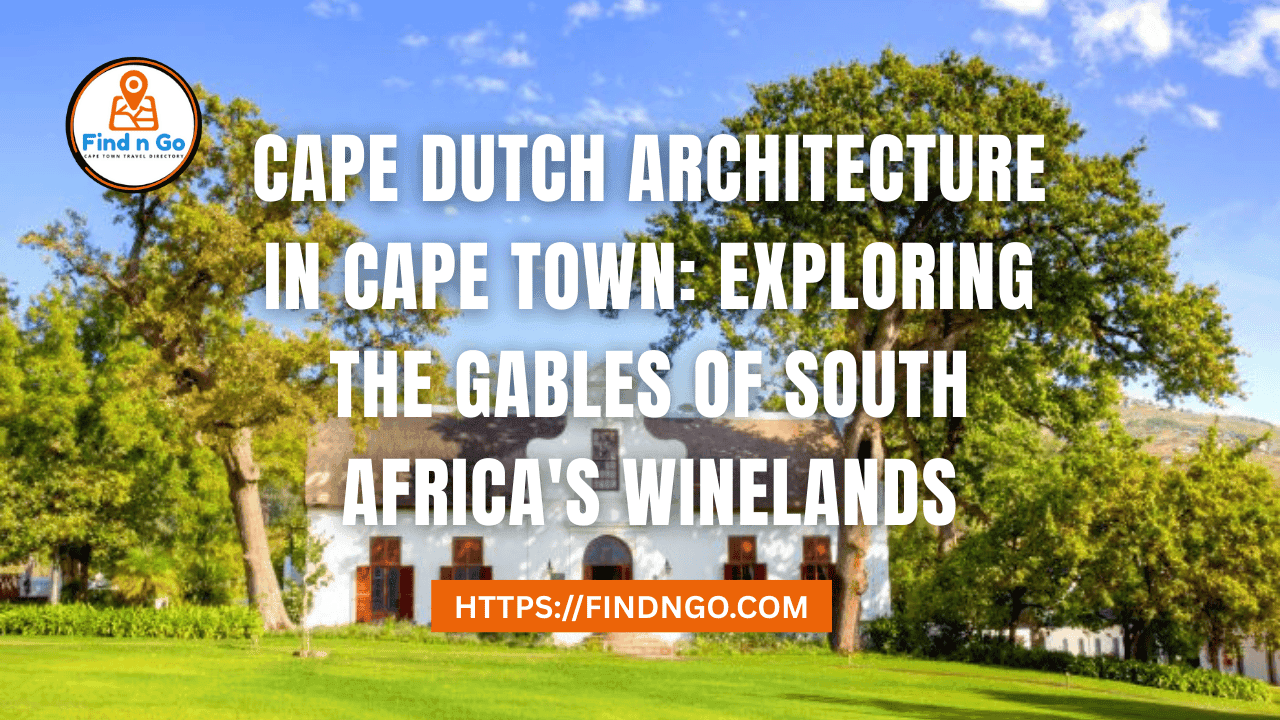
Cape Dutch architecture, a unique architectural style, stands as a testament to South Africa's rich history and cultural fusion. Predominantly found in the Western Cape, this style is a captivating blend of Dutch, German, French, and Indonesian architectural influences. These iconic structures, particularly prevalent in Cape Town and the surrounding winelands, offer a glimpse into the past, showcasing the ingenuity and artistry of the early settlers.
Cape Dutch Architecture Overview
 Definition and Characteristics
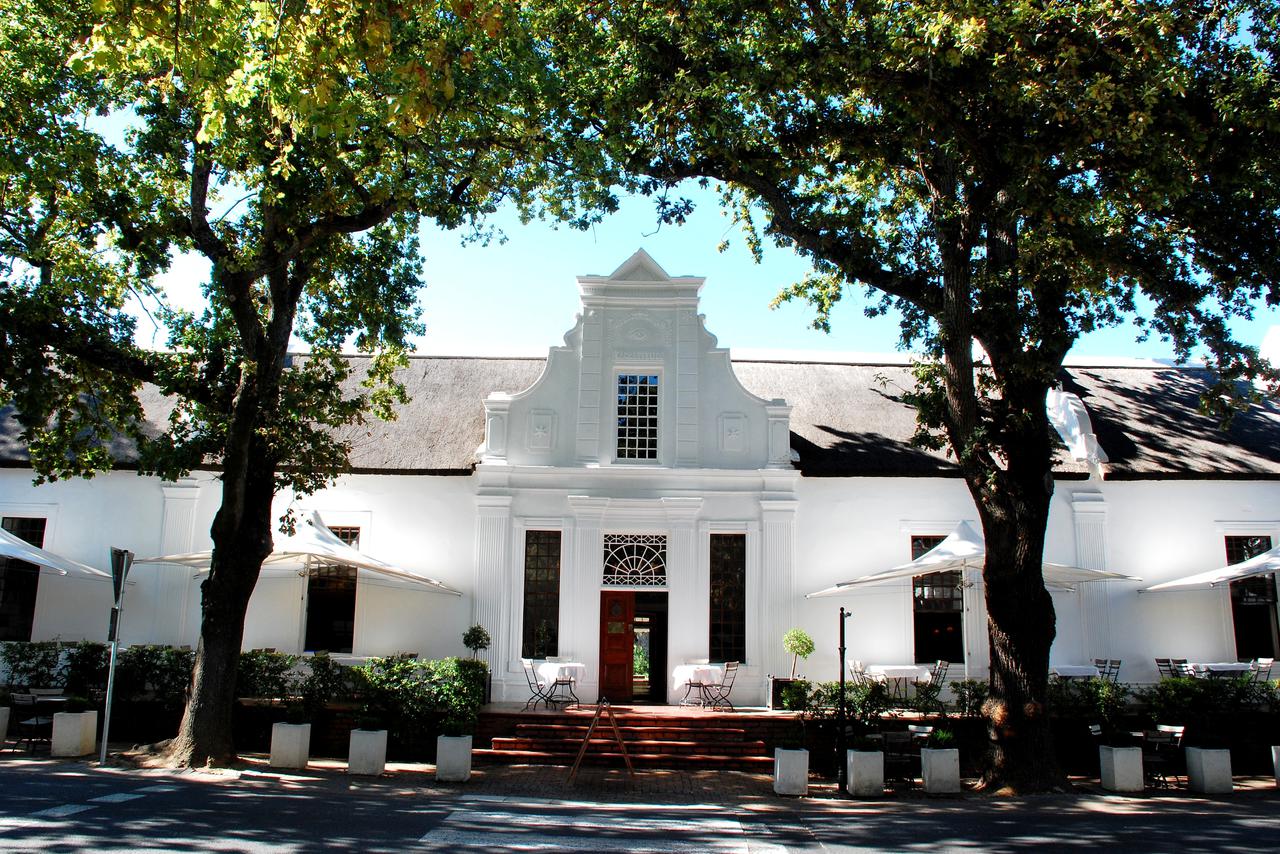
Cape Dutch architecture is a distinctive architectural style that originated in the Western Cape of South Africa during the 17th and 18th centuries. It was developed by the early Dutch settlers at the Cape of Good Hope and later influenced by German, French Huguenot, and Indonesian design elements. The style is characterized by its elegant yet functional design, blending European aesthetics with local materials and craftsmanship to suit the Cape’s climate and environment.
This architectural form remains one of South Africa’s most iconic and recognizable styles, often associated with the historic wine estates of Stellenbosch, Franschhoek, and Constantia.
Key Characteristics of Cape Dutch Architecture
1. Ornate Gables
The most defining feature of Cape Dutch architecture is the decorative gable, often curved, scroll-shaped, or pedimented. These gables were originally influenced by Dutch Renaissance and Baroque styles and became a mark of status and prestige among property owners.
2. Whitewashed Walls
Buildings were traditionally constructed from local stone or brick, coated in lime plaster, and finished with whitewash to reflect the sun and maintain cooler interior temperatures. The bright white façades contrast beautifully against the surrounding vineyards and blue skies of the Cape.
3. Thatched Roofs
Cape Dutch houses typically feature steeply pitched thatched roofs, designed to handle heavy winter rains. The roof often extends low over the walls, providing shade and protection from the elements.
4. Symmetry and Simplicity
The design of Cape Dutch homes emphasizes balance and symmetry, usually with a central front door flanked by evenly spaced windows. Interiors follow a straightforward layout — simple yet refined, with thick walls that regulate temperature throughout the year.
5. Wooden Shutters and Doors
Dark wooden shutters, sash windows, and carved doors are common features, offering both aesthetic appeal and practicality. These elements reflect the influence of Dutch craftsmanship and Indonesian design, introduced through trade during the colonial era.
6. Large Farmsteads and Wine Estates
Many of the finest examples of Cape Dutch architecture can be found on historic wine farms, where manor houses, cellars, and outbuildings were constructed in this enduring style. These estates often include sprawling gardens, courtyards, and vineyards — creating a setting of rustic elegance.
Historical Context
Cape Dutch architecture emerged during the Dutch colonial period in the late 1600s, when the Dutch East India Company (VOC) established a refreshment station at the Cape of Good Hope. The early European settlers — mainly Dutch farmers, along with German craftsmen and French Huguenot refugees — brought with them building traditions from Europe, which blended naturally with the climate, materials, and cultural influences of the Cape.
During this period, the Cape was still developing as an agricultural outpost. Settlers built large farmsteads, known as “werf farms,” where wine production, livestock, and crop farming were central to survival. These farms soon evolved into elegant homesteads that reflected both practicality and wealth. The architectural style became a symbol of prosperity, blending Baroque-influenced gables with the simplicity needed for life on the frontier.
The influence of Indonesian and Malaysian slaves, brought to the Cape by the Dutch, is also evident in decorative details, carpentry techniques, and interior craftsmanship. Their skills contributed significantly to the refinement of Cape Dutch homes through exquisite woodworking, furniture making, and domestic design.
By the 18th century, Cape Dutch architecture had become deeply rooted in the identity of the Western Cape. Estates like Groot Constantia, Vergelegen, and Meerlust became flagship properties that showcased the full development of the style — from symmetrical layouts and thick lime-plastered walls to grand gables that signaled prestige.
Today, many Cape Dutch buildings are preserved as national monuments, offering insight into the early colonial era and the blending of diverse cultures that shaped South Africa’s architectural heritage. The style remains one of the country’s most enduring symbols of historical craftsmanship, agricultural development, and cultural fusion.
Significance in South African Culture
Cape Dutch architecture holds a profound place in South African cultural identity, representing centuries of history, craftsmanship, and the blending of diverse cultures that shaped the Western Cape. More than just an architectural style, it reflects the social, political, and economic evolution of the region — from early colonial settlement to modern-day heritage preservation.
1. A Symbol of Early Settlement and Agricultural Heritage
Cape Dutch homesteads are tangible reminders of the early farming communities that formed the backbone of colonial Cape society. These estates introduced large-scale vineyards, orchards, and livestock farming, many of which still define the Western Cape’s landscape today. The architecture stands as a testament to the endurance and innovation of these early settlers and has become a cultural symbol of the Cape Winelands.
2. A Blend of Multiple Cultural Influences
Cape Dutch architecture represents the cultural fusion that characterizes South Africa.
Dutch settlers influenced the structural designs.
French Huguenots introduced agricultural knowledge and elegant design sensibilities.
German craftsmen contributed masonry and building skills.
Indonesian and Malaysian slaves added artistic details, woodwork, and household craftsmanship.
This architectural style is therefore a living expression of the cultural diversity that shaped South Africa’s earliest communities.
3. Preservation of Heritage and Identity
Many Cape Dutch buildings are now protected as national monuments, showcasing South Africa’s commitment to preserving its architectural and cultural heritage. These estates, museums, and homesteads provide a window into the past, allowing both locals and travelers to understand the roots of Western Cape society and the influences that shaped it over centuries.
4. A Major Attraction in Tourism and the Winelands Economy
Cape Dutch estates play a central role in South Africa’s tourism industry, especially within Stellenbosch, Franschhoek, Paarl, and Constantia. Visitors are drawn to:
historic wine farms
picturesque courtyards
iconic gables
scenic vineyards
The style enhances the region’s charm and supports local businesses, wine production, hospitality, and cultural tourism.
5. Inspiration for Modern Architecture
Cape Dutch design continues to influence modern South African architecture. Many contemporary homes and boutique hotels incorporate:
whitewashed walls
symmetrical layouts
Cape Dutch-style gables
timber shutters
thatched or slate roofs
This blend of old and new reflects South Africa’s respect for tradition while embracing modern innovation.
6. Cultural Pride and Storytelling
The style is deeply embedded in the Western Cape’s identity. It symbolizes resilience, craftsmanship, and the stories of the many communities that contributed to the region’s development. The architecture not only reflects South Africa’s past but continues to shape cultural pride, artistic expression, and historical storytelling.
Cape Dutch architecture remains one of South Africa’s most recognizable and celebrated cultural treasures. Its historic significance, architectural beauty, and cultural influence make it an essential part of the country’s heritage — a style that continues to connect generations and captivate travelers from around the world.
Prominent Regions Featuring Cape Dutch Architecture
 Cape Winelands
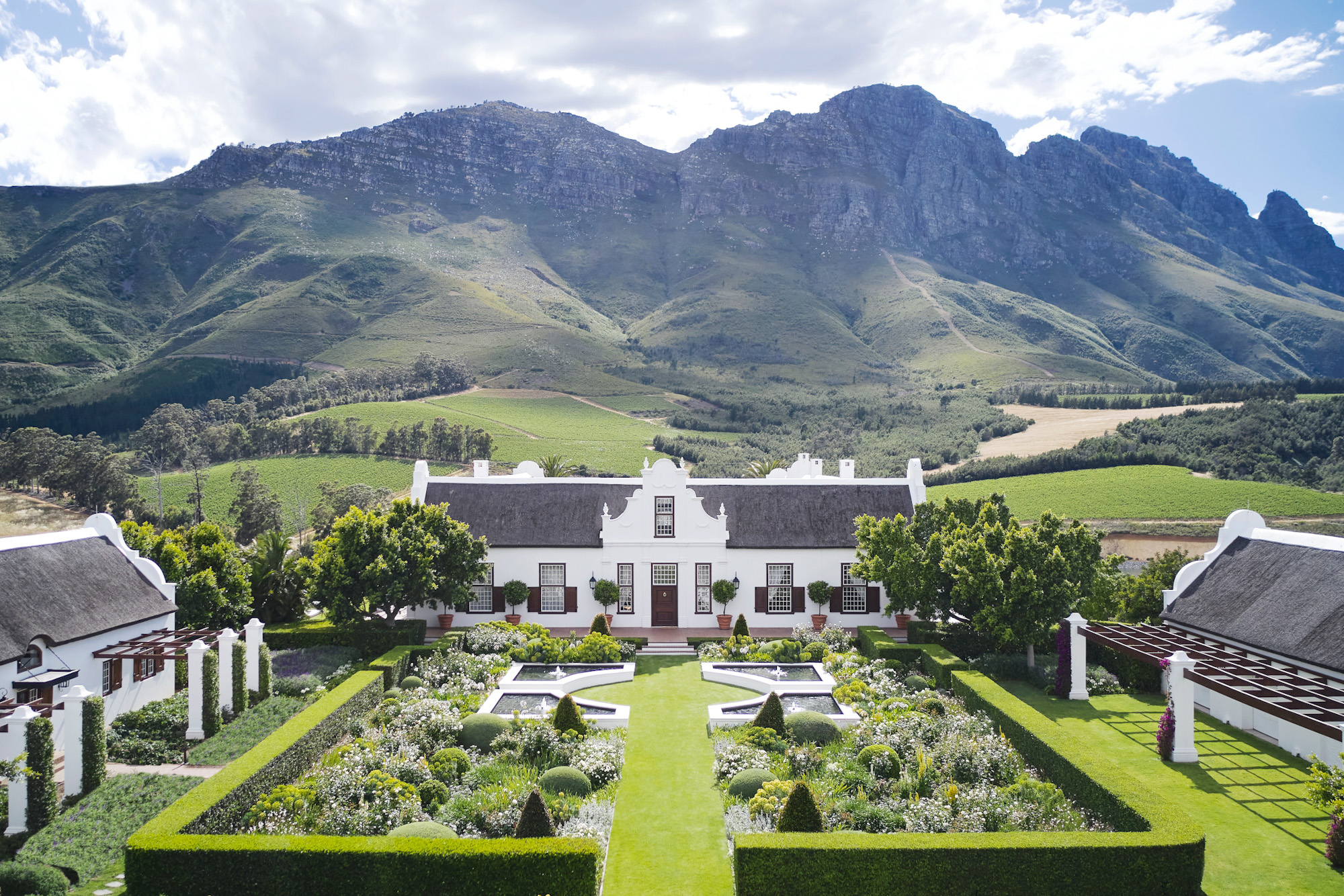
The Cape Winelands, nestled in the Western Cape of South Africa, are renowned for their stunning landscapes and a high concentration of Cape Dutch architecture. This region offers some of the best examples of Cape Dutch architecture, particularly in its historic wine estate and manor house properties. The rolling hills and fertile valleys provide a picturesque backdrop for the iconic gabled farmhouses and country house estates that characterize the Cape Dutch style. The presence of these Cape Dutch buildings enhances the charm of the winelands and offers a tangible link to the region’s rich cultural heritage.
Stellenbosch
Stellenbosch, one of South Africa’s oldest towns, boasts an impressive collection of Cape Dutch architecture. Here, the Dutch architectural influence is particularly evident, with numerous well-preserved Cape Dutch houses lining the streets. The town's historical core features many good examples of Cape Dutch gables, showcasing the craftsmanship and architectural style of the 17th century. Stellenbosch's commitment to preserving its heritage makes it a prime destination for those seeking to experience the beauty and significance of the Cape Dutch architecture style. The town serves as a living museum, reflecting the history and culture of the Cape Colony.
Somerset West
Somerset West, located in the Western Cape of South Africa, is another area where Cape Dutch architecture is prominently displayed. The town features several historic estates and Cape Dutch buildings that reflect the aesthetic of the Dutch East India Company era. Vergelegen Wine Estate, with its magnificent manor house, stands as a testament to the grandeur and elegance of the Cape Dutch style. The area’s mild climate and fertile land made it an ideal location for early settlers, resulting in the construction of numerous Cape Dutch houses that still stand today, preserving the region's architectural heritage.
Exploring The Cape's Dutch Architecture with a Personal Driver
Cape Dutch architecture is one of the Western Cape’s most iconic and culturally rich treasures — best explored at a relaxed pace, with time to admire historic wine estates, dramatic gables, and beautifully preserved homesteads. Traveling with a personal driver or private chauffeur allows visitors to fully appreciate these heritage sites without the stress of navigating, parking, or rushing through the experience.
Why Choose a Personal Driver for an Architectural Tour?
A personal driver provides a luxurious, convenient, and informative way to explore Cape Dutch architecture across the Cape Winelands and surrounding areas. Instead of dealing with traffic or GPS, you can sit back and enjoy the journey while your driver handles the logistics.
Door-to-door comfort: Pickups from hotels, guesthouses, or the airport.
Flexible itineraries: Customize your tour to visit the estates and landmarks you’re most interested in.
Local insight: Experienced drivers know the best routes, quieter roads, and must-visit heritage estates.
Stress-free experience: Enjoy wine tastings, long walks, or photography without worrying about driving afterward.
Top Places to Explore Cape Dutch Architecture with a Personal Driver
1. Groot Constantia (Constantia)
South Africa’s oldest wine estate is a masterpiece of Cape Dutch design. Wander through the manor house, tour the cellar, and stroll along tree-lined avenues while your driver waits nearby, ready for the next stop.
2\. Boschendal (Franschhoek Valley)
Dating back to 1685, Boschendal combines modern hospitality with beautifully preserved Cape Dutch buildings. A private driver gives you ample time to enjoy the gardens, wine tastings, and heritage walking trails.
3. Vergelegen Estate (Somerset West)
One of the most elegant examples of Cape Dutch architecture, Vergelegen features manicured gardens, historic homesteads, and sprawling lawns. Your driver ensures seamless transfers between viewpoints, picnic areas, and the wine cellar.
4. Babylonstoren (Simondium)
A stunning blend of historic architecture and contemporary luxury, Babylonstoren is perfect for travelers who enjoy design, nature, and culinary experiences. A personal driver provides easy access to this popular yet peaceful estate.
5. Stellenbosch Town Heritage Walk
With several well-preserved Cape Dutch buildings, Stellenbosch is ideal for a self-guided walk. Your driver can drop you off in the historic center, meet you at the end of your route, and transport you comfortably to the next estate.
6. Paarl’s Wine and Heritage Estates
Paarl is home to some of the region’s grandest Cape Dutch structures. A private driver helps you explore far-spread estates like Laborie, Nederburg, and Ridgeback without backtracking or long drives alone.
Benefits of Exploring with a Private Chauffeur
Comfort & Convenience
A chauffeur-driven vehicle eliminates the need to coordinate multiple transport options or worry about wine tastings and driving.
Custom Time Management
Spend more time at the estates you love and skip the ones you aren’t interested in — your tour moves at your pace.
Professional Local Expertise
Drivers experienced in Cape Winelands tourism can recommend:
the best estates for architecture lovers
quieter times to visit
scenic roads and photo stops
nearby restaurants and cafés
Safety & Reliability
Whether you’re exploring for half a day or a full-day tour, a personal driver ensures a smooth, safe, and hassle-free experience from start to finish.
Examples of Cape Dutch Architecture
 Best Examples in Cape Town
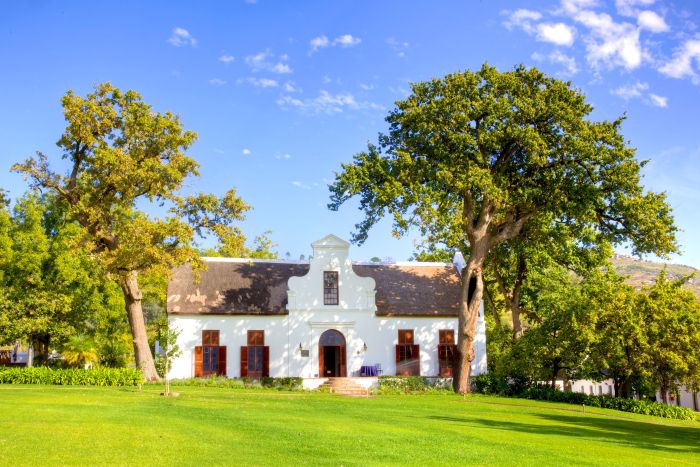
Cape Town and its surrounding areas are home to some of the most beautiful and historically significant examples of Cape Dutch architecture in South Africa. These estates, homesteads, and museums offer visitors a chance to explore elegant gables, whitewashed walls, thatched roofs, and heritage sites that reflect centuries of cultural influence. Whether you’re a history enthusiast, architecture lover, or casual traveler, these locations provide rich insight into the Western Cape’s architectural legacy.
1. Groot Constantia (Constantia)
The oldest wine estate in South Africa, Groot Constantia is one of the most iconic examples of Cape Dutch architecture. Its graceful gables, manicured grounds, and restored manor house provide a fascinating look into 17th-century life at the Cape. Visitors can explore:
The historic Manor House Museum
Wine cellars and tasting rooms
Beautiful gardens and vineyard viewsGroot Constantia is a must-visit for both architecture and wine lovers.
2. The Slave Lodge (Cape Town CBD)
Located near the Company’s Garden, the Slave Lodge features striking Cape Dutch elements blended with colonial-era upgrades. Originally built in 1679, it is one of the oldest buildings in Cape Town and offers deep insight into the city’s complex social and cultural history. Its architecture showcases:
Classic symmetrical layout
Thick lime-plastered walls
Early Cape Dutch structural detailsInside, visitors learn about the lives and histories of enslaved people at the Cape.
3. Koopmans-de Wet House (CBD)
This elegant townhouse is one of the best-preserved Cape Dutch urban homes. Built in the late 1700s, it displays:
Distinctive decorative gables
Period-accurate interiors
Antique furniture and artwork Located on Strand Street, it provides an excellent example of how Cape Dutch architecture adapted to city life rather than rural estates.
4. The Company’s Garden Manor Houses (Gardens)
Scattered around the historic Company’s Garden are several buildings with Cape Dutch influences that were once used by early colonial administrators. These include residences and offices with:
Whitewashed walls
Wooden shutters
Symmetrical façadesA stroll through the gardens provides a scenic introduction to early architectural styles of the Cape Colony.
5. Constantia Wine Route Estates (Constantia Valley)
In addition to Groot Constantia, the Constantia Valley is home to several Cape Dutch properties that remain beautifully preserved. These include:
Steenberg Estate – dating back to 1682
Klein Constantia – known for its historic homestead and iconic wines
Buitenverwachting – showcasing restored Cape Dutch buildings surrounded by vineyards
Each estate combines heritage architecture with world-class wine tasting and scenic landscapes.
6. Hout Bay Museum Homestead (Hout Bay)
This lesser-known but charming historic site features classic Cape Dutch details and tells the story of early farming and fishing communities in the valley. Its preserved homestead provides a peaceful and educational experience.
7. Simon’s Town Naval Heritage Homes
While Simon’s Town is more famous for Victorian and Georgian architecture, several restored Cape Dutch-influenced buildings can be found throughout the town, offering a blend of maritime history and heritage home design.
8. The Castle of Good Hope (CBD)
Although primarily a military fortress, the Castle of Good Hope features Cape Dutch architectural elements introduced during the 18th-century renovations. Look for:
Symmetrical courtyards
Arched doorways
White and yellow façadesIt provides another layered example of how the style influenced the Cape’s earliest colonial buildings.
Cape Town’s best examples of Cape Dutch architecture are more than historic structures — they are living cultural landmarks that tell the story of the region’s past. From wine estates in Constantia to restored homes in the CBD, these heritage sites offer visitors a deeper understanding of the Western Cape’s unique identity. Exploring them is an enriching experience for anyone interested in architecture, culture, or South African history.
Good Examples of Cape Dutch Houses
Finding good examples of Cape Dutch houses involves venturing into the older, preserved areas of the Western Cape of South Africa. Stellenbosch, Franschhoek, and Constantia are prime locations, but even within Cape Town, you can discover hidden gems. Look for buildings with characteristic thatched roofs, whitewashed walls, and symmetrical facades. The Cape Dutch house often features a central gable, adding to its aesthetic appeal. Preserving these examples of Cape Dutch architecture is essential for maintaining South Africa’s heritage, and many are open for public viewing. These Cape Dutch buildings are a testament to the past.
Notable Buildings in the Winelands
The Cape Winelands are brimming with notable Cape Dutch buildings, many of which are situated on wine estate properties. Vergelegen in Somerset West, Boschendal in Franschhoek, and Groot Constantia near Constantia are among the most iconic. These manor house structures display the grand scale and architectural style typical of the Dutch architectural influence. The Cape Dutch gable designs vary from simple curves to elaborate plaster decorations, showcasing the craftsmanship of the 17th century. These buildings are not just historical landmarks but also working farms and tourist destinations in South Africa’s Cape.
Architectural Features of Cape Dutch Houses
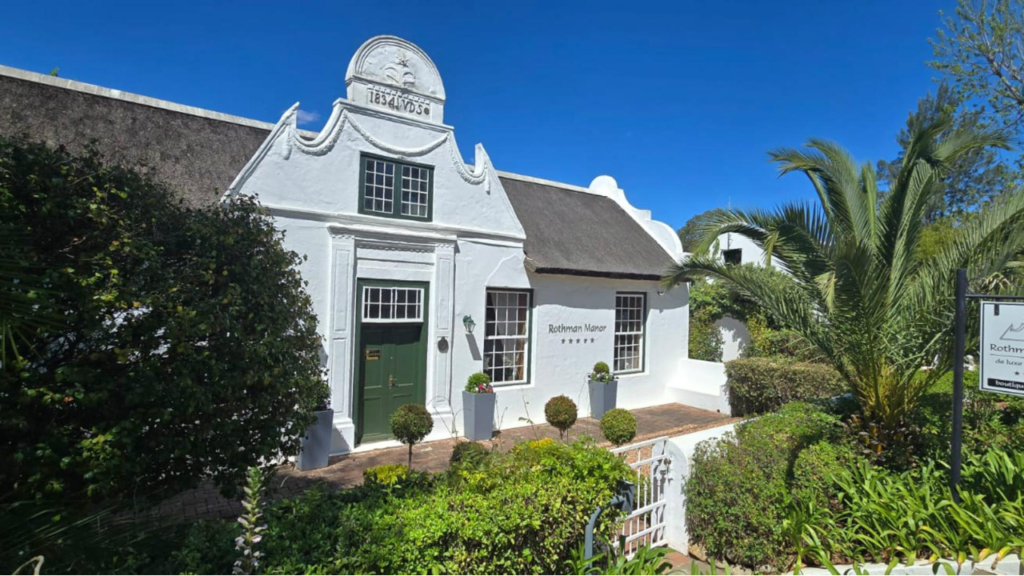 Distinctive Gables
One of the most recognizable features of Cape Dutch architecture is the distinctive gable. The gable is the decorated triangular portion of the wall between the edges of a sloping roof. These Cape Dutch gable structures can range from simple, rounded forms to elaborate, ornate designs adorned with plaster and baroque curves. The shape and detailing of the gable often reflect the period in which the building was constructed, with later examples showcasing more elaborate detailing. The central gable is a focal point, adding character and charm to the Cape Dutch house.
Materials Used in Construction
Cape Dutch buildings are known for their use of locally sourced materials, a testament to the ingenuity of early settlers. The buildings incorporate specific materials for different components, as outlined below. The thatch roof is a defining characteristic, further enhancing the style.| |
Component | Material |
|---|---|
Walls | Brick or stone, covered with plaster and whitewash |
Roof | Thatch |
Window Frames, Doors, Structural Supports | Wood |
Landscaping and Surroundings
The landscaping and surroundings of Cape Dutch houses often complement the architecture, creating a harmonious blend of built environment and natural setting. Many properties feature expansive gardens, vineyards, or orchards, reflecting the agricultural roots of the Cape Colony. A symmetrical layout, mirroring the architectural design of the Cape Dutch building itself, is a common feature. These green spaces not only enhance the aesthetic appeal of the Cape Dutch architecture style but also provide a sense of tranquility and connection to the land in the Western Cape of South Africa.
Frequently Asked Questions
What are the origins and roots in medieval of van der stel's influence on Cape Dutch architecture?
The roots in medieval building traditions influenced Cape Dutch architecture through Dutch, German and Indonesian practices brought to the Cape after 1652. Simon van der Stel and other early governors of the Cape encouraged durable farm houses and manor designs that blended these European medieval construction techniques with local materials, resulting in the distinctive Cape vernacular seen around Cape Town and the greater Western Cape.
How did Simon van der stel and the governor of the cape shape the style of architecture seen in Cape Town today?
Simon van der Stel, as governor of the Cape, promoted settlement patterns and farm layouts that led to the emergence of the cape dutch manor and h-shaped manor house plans. His policies supported viticulture and rural development, which required functional yet formal farm houses; over time these practical layouts became part of the style of architecture that defines many historic buildings in Cape Town today.
What features define an old cape dutch house versus a modern cape dutch revival?
Old Cape Dutch examples typically include thatched roofs, whitewashed walls, shuttered windows and elaborate gables with the "hand of the mason" craftsmanship visible in stone and plaster details. Modern Cape Dutch revival retains key motifs—such as gables and symmetry—but often uses contemporary materials, larger glass openings, insulation and modern layouts while suggesting that cape dutch architecture through referencing its historic vocabulary.
Why are elaborate gables and shuttered windows so common in Cape Dutch manor houses and farm houses?
Elaborate gables were a status symbol and a way for owners to display wealth and taste; they also reflected masonry skill and the "hand of the mason." Shuttered windows are practical for controlling sunlight and ventilation in the cape climate, and they became a distinctive aesthetic element in both manor houses and smaller farm houses across the region.
Where can visitors see prime examples of Cape Dutch architecture in Tulbagh, Swellendam and Cape Town?
Tulbagh and Swellendam host well-preserved streetscapes of Cape Dutch buildings, including h-shaped manor houses and compact farm houses with ornate gables. In Cape Town, examples appear in the Company’s Garden area and older suburbs, giving a sense of how cape dutch architecture influenced urban as well as rural settings.
How does the cape vernacular relate to influences from Cecil John Rhodes and Sir Herbert Baker?
The cape vernacular predates Cecil John Rhodes and Sir Herbert Baker, but both later figures impacted architecture in the region—Baker through his colonial-era commissions that sometimes blended Cape Dutch motifs with Edwardian classicism, and Rhodes via patronage that affected public buildings. Their involvement helped perpetuate and reinterpret traditional cape vernacular themes in institutional and residential projects.
Can you explain the typical plan like the H-shaped manor house and its function on Cape farms?
The H-shaped manor house plan provided clear separation between living quarters and service spaces, allowed cross-ventilation suited to the cape climate, and created sheltered courtyards for work and social functions. This layout was practical for farm management and became a hallmark of more substantial Cape Dutch estates.
What materials and craftsmanship—such as the hand of the mason—are characteristic of traditional Cape Dutch buildings?
Traditional Cape Dutch buildings used local materials like sandstone, lime plaster and thatch, with skilled masons shaping ornate gables and molded cornices by hand. The visible "hand of the mason" in the carved gables and plasterwork underscores the artisanal quality of the style and connects it to European masonry traditions adapted to local conditions.
Comments(0)