How Safe Is Shark Cage Diving in Cape Town? A Practical Guide for Visitors
Shark cage diving has become one of the most researched ocean activities in South Africa. Many visitors want to understand the risks before booking, especially when planning shark cage diving Cape Town experiences. Safety is often the first question asked, and the answer depends on how trips are operated, the equipment used, and the experience of the crew.
Mozie
Safe Encounters Up Close: Is Shark Cage Diving in Cape Town Really Risk-Free?
Shark cage diving has become one of the most researched ocean activities in South Africa. Many visitors want to understand the risks before booking, especially when planning shark cage diving Cape Town experiences. Safety is often the first question asked, and the answer depends on how trips are operated, the equipment used, and the experience of the crew.

Understanding How the Cage System Works
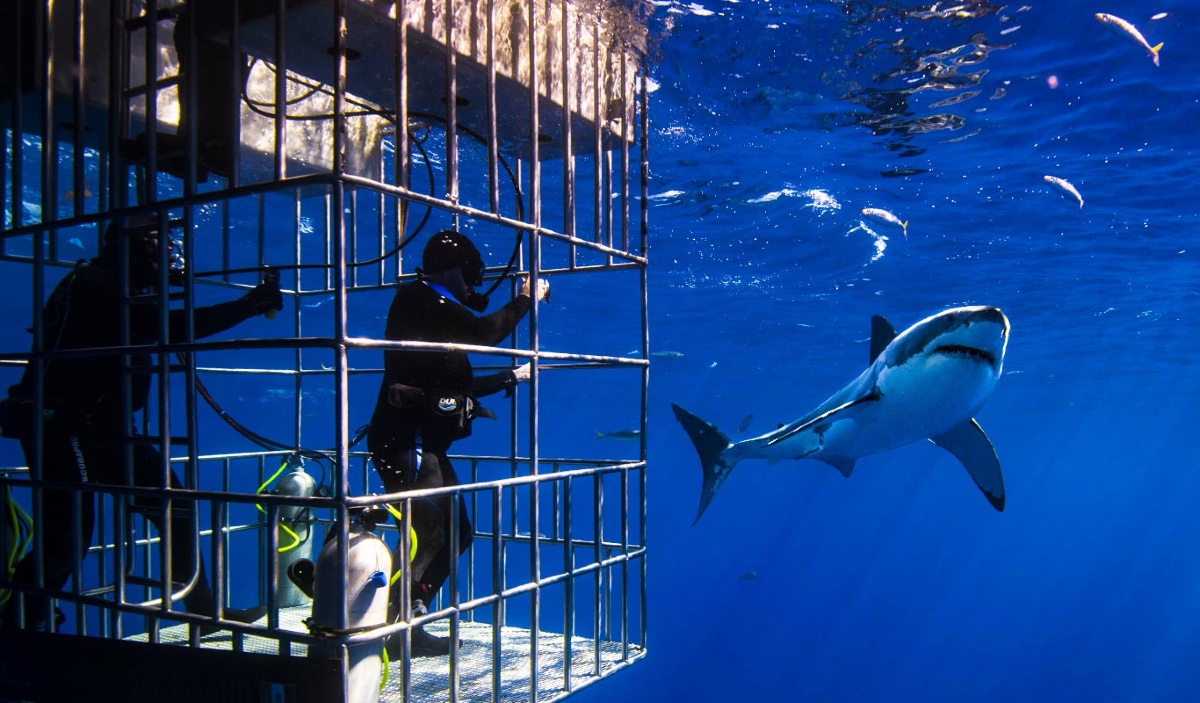
Modern shark cage diving does not involve free swimming with sharks. Guests enter a secured steel cage that is attached to the vessel. The cage remains partially above water level, which means participants can hold their breath and view sharks without needing scuba certification.
Operators such as Apex Shark Expeditions follow structured procedures before anyone enters the water. Guests receive a full safety briefing that covers body positioning, breathing techniques, and how to hold onto the cage rails. The goal is to keep the process simple and controlled, even for first-time ocean visitors.
The cage itself is built to withstand strong marine conditions. It is checked regularly, and the crew monitors all activity from the deck. Participants enter and exit one at a time to reduce risk and keep the experience organised.

Crew Experience and Local Knowledge
Safety during shark cage diving in Cape Town relies heavily on the team running the trip. Crews who operate in False Bay work with changing weather patterns, water visibility, and seasonal wildlife movement. Years of local knowledge allow them to make decisions about when to launch, when to return to harbour, and how to manage shark interactions responsibly.
Apex Shark Expeditions has operated in the region for decades, focusing on research-led tourism. These tours are guided by professionals who understand marine life behaviour and ocean conditions. This reduces unnecessary risk and creates a predictable environment for guests.
Before departure, the team assesses wind speed, swell direction, and tide changes. If conditions are not suitable, trips are rescheduled. This approach keeps safety ahead of schedule pressure.
What Happens During the Dive
Once the vessel reaches the dive site, the crew prepares the cage and checks all equipment. Guests wear wetsuits and safety gear supplied on board. There is no deep diving involved. The cage remains close to the surface, allowing the crew to maintain direct visual contact with everyone in the water.
Sharks are observed in their natural environment. Responsible operators do not force interactions or encourage unsafe behaviour. Instead, they focus on controlled viewing, education, and conservation awareness.
Participants who prefer to stay on deck can still see sharks from the boat. This makes the experience accessible to people who want to observe without entering the cage.

Regulations and Industry Standards
Shark cage diving in South Africa operates under strict guidelines. Licensed operators must follow environmental rules designed to protect both guests and wildlife. These regulations cover boat operation, bait handling, and interaction distances. Choosing an established operator is important when booking shark cage diving Cape Town trips. Companies with long-term experience often work closely with marine scientists and conservation groups. This helps maintain consistent safety practices and responsible tourism standards. Visitors should always confirm that their chosen operator is licensed and has a clear safety record. Reading trip information carefully before booking helps set realistic expectations.
Common Safety Questions from First-Time Guests
Many guests worry about swimming ability or diving experience. In most cases, neither is required. The cage design allows participants to hold onto fixed bars while viewing sharks. Crew members remain close at all times to assist.
Seasickness is another common concern. Boats operating from Simon’s Town travel a shorter distance to reach dive sites in False Bay compared to some other locations. Guests can prepare by taking standard precautions such as medication or eating lightly before departure.
Families often ask about age limits. Policies vary, but responsible operators explain requirements clearly during the booking process to ensure suitability.
Why Operator Choice Matters
Safety in shark cage diving is not only about equipment. It is also about communication, planning, and respect for the ocean environment. Operators who focus on education and structured procedures tend to deliver more consistent experiences.
Apex Shark Expeditions combines tourism with marine research, offering trips that prioritise awareness alongside adventure. This approach helps visitors understand sharks beyond common misconceptions while maintaining a professional environment on board.
Final Thoughts
Shark cage diving in Cape Town is designed to be a controlled wildlife experience rather than a high-risk activity. When operated by an experienced team, it provides a structured way to see sharks up close while learning about marine conservation. Visitors considering shark cage diving should focus on reputable operators, clear safety briefings, and realistic expectations about wildlife encounters. With the right preparation, the experience becomes accessible to a wide range of travellers looking to explore Cape Town’s ocean environment responsibly.
Comments(0)